Cosa Credono i Pentecostali? Le Credenze Fondamentali Spiegate
Credenze pentecostali basate sulla Bibbia su salvezza, Spirito Santo, doni, adorazione e guarigione—chiare e pratiche.
Cosa credono i pentecostali? Se ti sei mai chiesto quale sia la fede alla base di uno dei movimenti cristiani in più rapida crescita, sei nel posto giusto. Questa guida completa spiega le credenze pentecostali in termini chiari e basati sulla Bibbia.
Risposta Rapida: Cosa Credono i Pentecostali
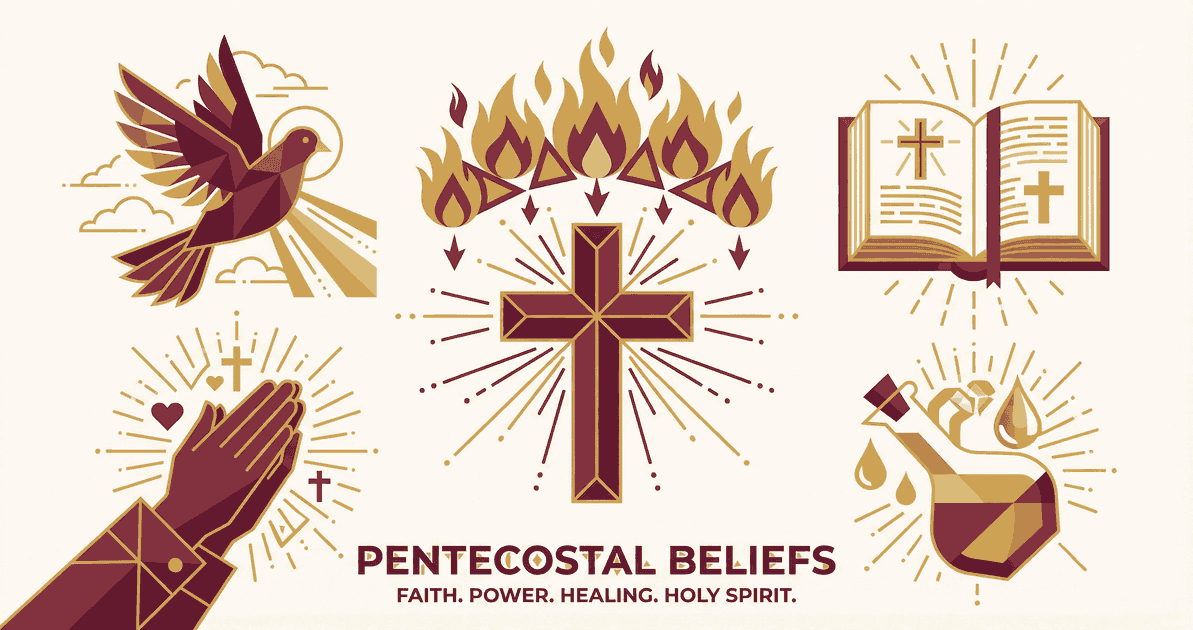
I pentecostali sono cristiani evangelici che credono in:
- La salvezza attraverso la sola fede in Gesù Cristo
- Il battesimo nello Spirito Santo come esperienza distinta dopo la salvezza
- Il parlare in lingue e altri doni spirituali per oggi
- La guarigione divina attraverso la preghiera
- Il Secondo Avvento di Gesù Cristo
- L'autorità della Scrittura come Parola ispirata di Dio
Ora esploriamo ciascuna di queste credenze in profondità.
Il Fondamento: La Salvezza Attraverso Cristo
Al cuore della fede pentecostale c'è lo stesso vangelo condiviso da tutti i cristiani evangelici: la salvezza viene attraverso la sola fede in Gesù Cristo.
"Infatti è per grazia che siete stati salvati, mediante la fede; e ciò non viene da voi, è il dono di Dio—non per opere, affinché nessuno si vanti." — Efesini 2:8-9
I pentecostali credono che:
- Tutti gli uomini hanno peccato e hanno bisogno di un Salvatore (Romani 3:23)
- Gesù è morto sulla croce per pagare i nostri peccati (1 Pietro 2:24)
- La salvezza viene attraverso il ravvedimento e la fede in Cristo (Atti 2:38)
- I credenti sono "nati di nuovo" dallo Spirito (Giovanni 3:3-5)
Questa credenza fondamentale unisce i pentecostali alla più ampia famiglia evangelica.
La Distintiva: Il Battesimo nello Spirito Santo
Ciò che rende distintivi i pentecostali è la loro enfasi sul battesimo nello Spirito Santo—un'esperienza potente della presenza di Dio disponibile per ogni credente.
"Voi riceverete potenza quando lo Spirito Santo verrà su di voi; e mi sarete testimoni." — Atti 1:8
Cos'è il Battesimo dello Spirito?
I pentecostali insegnano che il battesimo dello Spirito è:
- Separato dalla salvezza — Puoi essere salvato e non ancora battezzato nello Spirito
- Disponibile per tutti i credenti — È per tutti, non solo per cristiani speciali
- Una potenza per testimoniare — Dà audacia e potenza per il ministero
- Spesso accompagnato dal parlare in lingue — Molti lo sperimentano come evidenza iniziale
Esempi Biblici
Il libro degli Atti registra molteplici esempi di battesimo dello Spirito:
- Atti 2 — Il Giorno di Pentecoste (120 discepoli)
- Atti 8 — I Samaritani
- Atti 10 — Cornelio e la sua famiglia
- Atti 19 — I discepoli di Efeso
Doni Spirituali per Oggi
I pentecostali credono che i doni soprannaturali dello Spirito descritti nel Nuovo Testamento siano ancora attivi oggi.
"Ora a ciascuno è data la manifestazione dello Spirito per il bene comune." — 1 Corinzi 12:7
I Nove Doni (1 Corinzi 12:8-10)
- Parola di sapienza — Intuizione soprannaturale per situazioni specifiche
- Parola di conoscenza — Rivelazione divina di fatti
- Fede — Fiducia soprannaturale in Dio
- Doni di guarigione — Guarigione divina attraverso la preghiera
- Potenza di compiere miracoli — Dimostrazioni soprannaturali
- Profezia — Parlare il messaggio di Dio
- Discernimento degli spiriti — Discernere le fonti spirituali
- Parlare in lingue — Preghiera o messaggio in lingue sconosciute
- Interpretazione delle lingue — Comprendere i messaggi in lingue
Parlare in Lingue
Il parlare in lingue (glossolalia) occupa un posto speciale nella pratica pentecostale:
- Linguaggio di preghiera privato — Comunione personale con Dio (1 Cor 14:2)
- Dono pubblico — Quando interpretato, edifica la chiesa (1 Cor 14:5)
- Evidenza iniziale — Molti lo vedono come il segno del battesimo dello Spirito
Guarigione Divina
I pentecostali credono che la guarigione fisica sia provveduta attraverso l'espiazione di Cristo e sia disponibile oggi.
"Dalle sue piaghe siete stati guariti." — 1 Pietro 2:24
Credenze Chiave sulla Guarigione
- La guarigione è nell'espiazione di Cristo
- Dio guarisce ancora oggi attraverso la preghiera
- Giacomo 5:14-16 dà istruzioni pratiche per la preghiera di guarigione
- La guarigione richiede fede ma non dipende da "abbastanza" fede
- Non tutti vengono guariti in questa vita, ma Dio è sovrano
Il Secondo Avvento di Cristo
I pentecostali credono nel ritorno letterale e imminente di Gesù Cristo.
"Questo stesso Gesù, che vi è stato tolto ed è stato elevato in cielo, ritornerà nella medesima maniera in cui lo avete visto andare in cielo." — Atti 1:11
La maggior parte dei pentecostali crede in:
- Il rapimento della chiesa
- Un tempo di tribolazione sulla terra
- Il regno millenario di Cristo
- Il giudizio finale e l'eternità
Questa "beata speranza" motiva una vita santa e un'evangelizzazione urgente.
L'Autorità della Scrittura
I pentecostali affermano la Bibbia come la Parola ispirata e infallibile di Dio e l'autorità suprema per la fede e la pratica.
"Ogni Scrittura è ispirata da Dio ed è utile per insegnare, riprendere, correggere, educare alla giustizia." — 2 Timoteo 3:16
Mentre i pentecostali valorizzano le esperienze spirituali, la Scrittura ha sempre l'autorità finale. Ogni profezia, insegnamento o esperienza deve allinearsi con la Parola scritta.
Lo Stile di Adorazione Pentecostale
L'adorazione pentecostale è spesso espressiva e guidata dallo Spirito:
- Mani alzate in lode e resa
- Battiti di mani e danza davanti al Signore
- Preghiera spontanea e adorazione
- Profezia e lingue nei servizi pubblici
- Appelli all'altare per la salvezza e la preghiera
- Preghiera per la guarigione e altri bisogni
Questa adorazione espressiva non è mero emozionalismo—fluisce da un genuino incontro con Dio ed è radicata nella Scrittura (Salmo 47:1, 150:1-6).
Cosa i Pentecostali NON Credono
Per chiarire, i pentecostali generalmente non credono:
- Che le lingue siano necessarie per la salvezza
- Che la guarigione sia garantita se hai "abbastanza" fede
- Che la prosperità sia promessa a tutti i credenti
- Che le emozioni equivalgano alla presenza dello Spirito
- Che l'esperienza superi la Scrittura
Il Vangelo Quadriforme
Molte denominazioni pentecostali riassumono le loro credenze come il "Vangelo Quadriforme":
- Gesù come Salvatore — Salvezza attraverso la fede
- Gesù come Guaritore — Guarigione divina oggi
- Gesù come Battezzatore — Battesimo nello Spirito Santo
- Gesù come Re che Viene — Il Secondo Avvento
Principali Denominazioni Pentecostali
Il pentecostalismo include molte denominazioni con credenze fondamentali condivise:
- Assemblee di Dio — La più grande denominazione pentecostale
- Chiesa di Dio (Cleveland, TN) — Forti radici di Santità
- Chiesa Internazionale del Vangelo Quadrangolare — Fondata da Aimee Semple McPherson
- Assemblee Pentecostali del Mondo — Pentecostali Unicisti
- Chiesa di Dio in Cristo (COGIC) — Il più grande corpo pentecostale afroamericano
Domande Frequenti
I pentecostali sono cristiani?
Sì! I pentecostali sono cristiani evangelici che aderiscono alla fede cristiana storica. Affermano la Trinità, la divinità di Cristo, la salvezza per grazia mediante la fede e l'autorità della Scrittura.
Tutti i pentecostali parlano in lingue?
Non tutti i pentecostali hanno parlato in lingue, ma la maggior parte delle chiese pentecostali insegna che le lingue sono disponibili per tutti i credenti e sono spesso l'evidenza iniziale del battesimo dello Spirito.
I pentecostali sono uguali ai carismatici?
Sono correlati ma distinti. I pentecostali appartengono a denominazioni specificamente pentecostali, mentre i carismatici sono credenti ripieni di Spirito che rimangono nelle denominazioni tradizionali (Cattolica, Luterana, ecc.). Entrambi enfatizzano i doni spirituali.
I pentecostali credono nella Trinità?
La maggior parte dei pentecostali sono trinitari, credendo in un solo Dio in tre persone. Tuttavia, i pentecostali unicisti hanno una visione diversa della Divinità (vedi il nostro articolo sul Pentecostalismo Unicista).
Il pentecostalismo è una setta?
No. Il pentecostalismo è un movimento cristiano tradizionale che afferma l'ortodossia cristiana storica. È una delle espressioni di cristianesimo in più rapida crescita nel mondo.
Esplora Ulteriormente la Fede Pentecostale
Comprendere le credenze pentecostali è solo l'inizio. Se vuoi esplorare queste verità più in profondità, prova a chiedere a PentecostalGPT le tue domande specifiche su:
- Lo Spirito Santo e il battesimo dello Spirito
- Parlare in lingue e doni spirituali
- Guarigione divina e fede
- Adorazione e pratica pentecostale
- Passi biblici e il loro significato
Fai la tua domanda a PentecostalGPT →
Questo articolo fornisce una panoramica generale delle credenze pentecostali. Diverse denominazioni pentecostali possono avere variazioni nell'enfasi o nell'interpretazione. Studia sempre la Scrittura e cerca la guida della tua chiesa locale.
Hai domande su questo argomento?
Chiedi a PentecostalGPT una guida personalizzata basata sulle Scritture.